The United States has reversed its plans to end support for the international logistics framework underpinning security operations in Somalia, backing a one-year renewal of mandates for both the UN Support Office in Somalia (UNSOS) and the African Union Support and Stabilisation Mission in Somalia (AUSSOM).
The decision marks a notable shift from Washington’s position in July, when it signalled that funding for UNSOS would end and that the current support arrangement could be phased out by 2027.
In announcing the reversal, the State Department said the renewal would help contain security threats and prevent a broader regional crisis that could undermine U.S. interests.
The move reflects growing concern over Somalia’s security trajectory. Al-Shabaab continues to operate across parts of central and southern Somalia, while uncertainty surrounds the future of the African Union mission. Uganda, the largest troop contributor to AUSSOM, has indicated it may withdraw its forces by the end of 2027.
At the same time, Somalia’s domestic political crisis has deepened, with disputes over constitutional reforms and electoral arrangements adding to concerns about governance and stability.
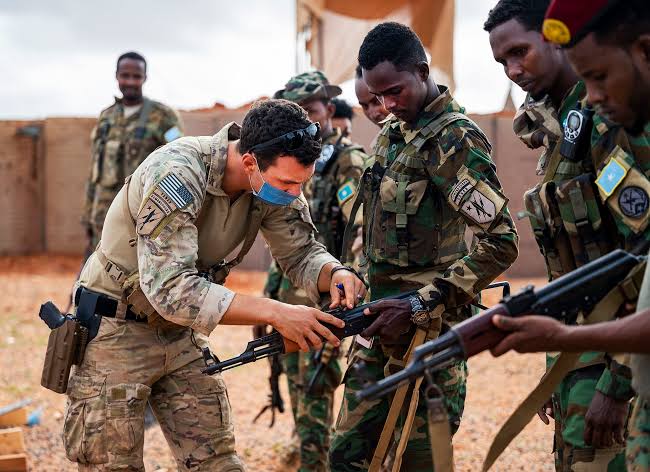
UNSOS provides the logistics backbone for African Union operations, including transport, medical evacuation and supply support. Without it, AUSSOM’s ability to sustain deployments across Somalia would be severely weakened.
The reversal suggests Washington concluded that a premature withdrawal of support carried greater risks than maintaining the mission for another year. However, U.S. officials have signalled that the extension should not be viewed as an open-ended commitment and continue to press for a more sustainable security architecture led by Somalia and its regional partners.
Analysis: The funding extension buys time for Somalia and its international partners, but it also underscores a difficult reality: despite years of military operations and security-sector reform efforts, the country’s counter-insurgency campaign remains heavily dependent on external support. The question is no longer whether international backing will eventually diminish, but whether Somalia can build the political and security consensus needed before it does.