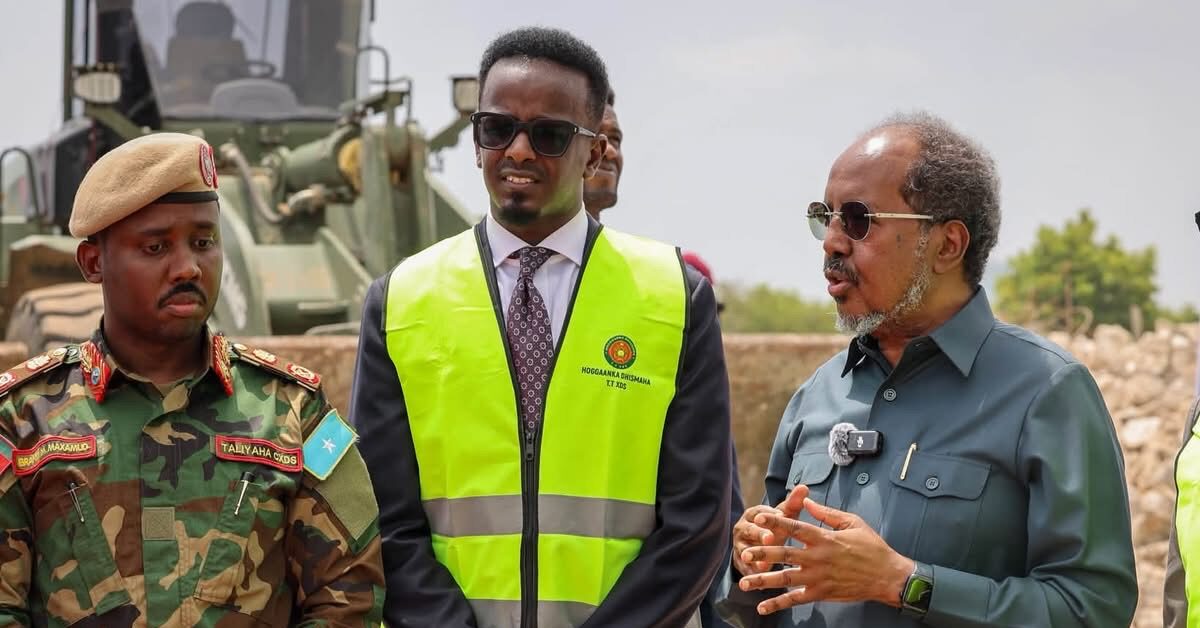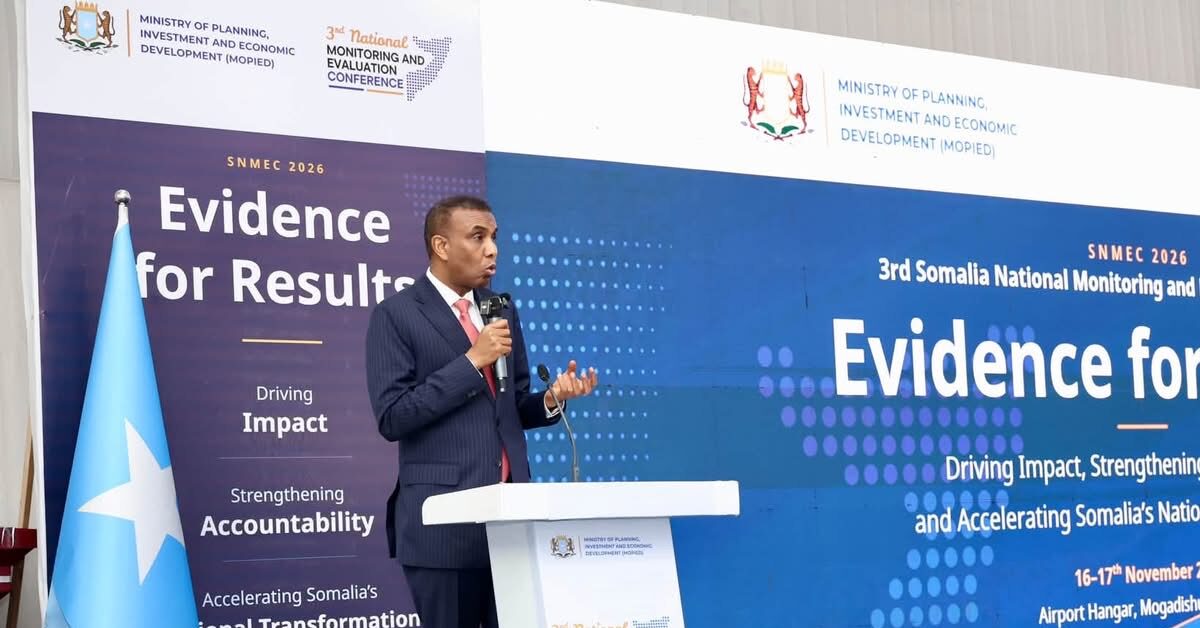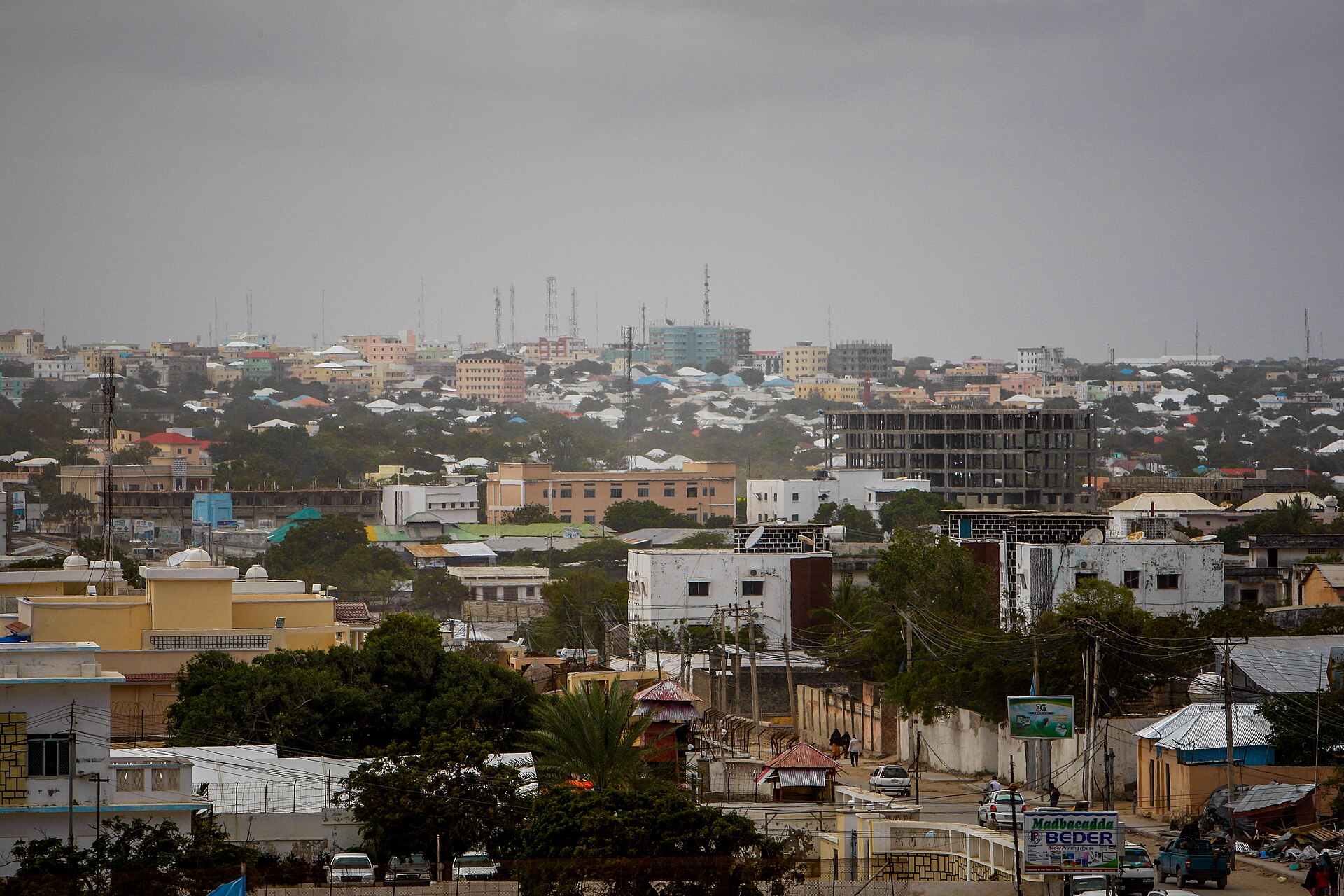
Negotiations between the Somali federal government and opposition groups, scheduled to begin on Saturday in Mogadishu, have been postponed as parties held separate internal consultations.
According to Mustaqbal Media, the talks were intended to address the framework for the 2027 national elections but hit an immediate hurdle. Opposition factions, which remain divided in their approach, expressed hesitation about participating in the scheduled session without further guarantees.
Some opposition members are demanding that the international community act as a third-party mediator between them and President Hassan Sheikh Mohamud. Others are calling for a return to previous sticking points that have stalled dialogue for months, suggesting that fundamental disagreements over the electoral process remain unresolved.
The absence of the leaders of Puntland and Jubaland from Mogadishu has also emerged as a significant obstacle. Certain opposition figures argue that a legitimate agreement cannot be reached without the participation of these two federal member states. The leaders of Puntland and Jubaland have reportedly set their own conditions for coming to the capital to join the talks.
The federal government has recently pushed forward with its plans for the 2027 elections. The Independent National Electoral Commission (INEC) has already presented a schedule based on a direct election system. However, this has faced resistance from various political actors who have not been convinced by the timeline.
Even within the opposition, there is no consensus on the way forward. While some groups support the idea of a public vote but distrust the current commission’s ability to manage it fairly, others are lobbying for the continuation of an indirect election model.
Somalia has historically used an indirect electoral system where clan elders select delegates who then elect lawmakers. The administration of President Hassan Sheikh Mohamud has prioritised a transition to direct universal suffrage, a move that has frequently caused friction with federal member states who fear the process could be used to centralise power.
Based on reporting by Mustaqbal Media (in Somali), with additional context by Horn Globe.