Money sent home by people living abroad is now one of the largest sources of foreign currency in the Horn of Africa, larger than aid in some places and close to exports in others. The latest official figures also show the first measurable dent from a new US tax on remittances, which took effect on 1 January 2026.
The numbers
| Country | Latest annual inflow | Period | Size of the economy |
|---|---|---|---|
| Ethiopia | $8.2 billion | Fiscal year to July 2026 | About 5% of GDP |
| Kenya | $5.04 billion | Calendar year 2025 | About 4.6% of GDP (2024) |
| Somalia | $3.13 billion in personal remittances ($6.78 billion in all inward transfers) | Calendar year 2025 | About 24% of GDP |
| Djibouti | Small | 2024 | About 1.3% of GDP |
Figures come from each country’s central bank or official diaspora agency, and from World Bank data for Djibouti and for Kenya’s share of GDP. Periods and definitions differ, so compare trends rather than exact totals.
Somalia: the most dependent economy in the region
No economy in the Horn leans on its diaspora as heavily as Somalia’s. The Central Bank of Somalia’s 2025 annual report puts personal remittances at $3.13 billion last year, up 15% from $2.72 billion and equal to roughly a quarter of national output. Counting other private and humanitarian transfers, inward flows reached $6.78 billion, up 5% on 2024.
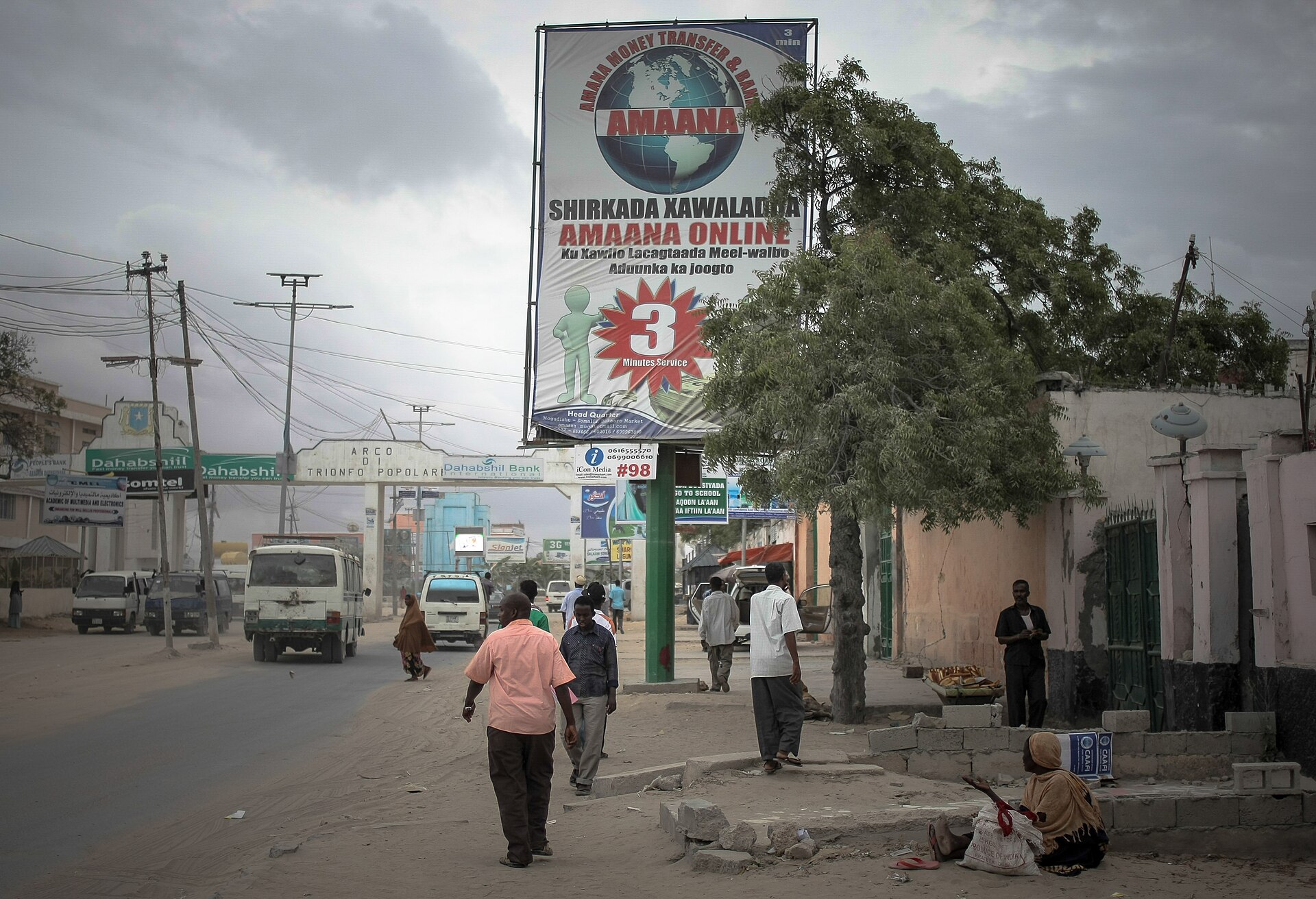
That money pays for food, rent, school fees and small businesses, and much of it reaches households in seconds through mobile money wallets rather than bank branches. It is also the most stable inflow the country has: aid budgets have been cut sharply since 2025, while remittances kept growing.
Ethiopia: a reform dividend
Ethiopia now receives more diaspora money than any other country in the region. Inflows reached $8.2 billion in the 2025/26 fiscal year, up from $7.1 billion a year earlier, according to the Ethiopian Diaspora Service, which cites National Bank of Ethiopia data. Officials credit the July 2024 currency reform, which let the birr trade far closer to its market value, and a crackdown on informal transfer networks for pulling money into formal channels where it can be counted.
Cost is still a drag. The International Fund for Agricultural Development puts the average cost of sending money to Ethiopia through non-bank providers at 4.2% in 2025.
Kenya: a record year, and a warning
Kenya received a record $5.04 billion in 2025, according to the Central Bank of Kenya, but growth slowed to 1.9%, the weakest in more than 15 years. The first half of 2026 showed why that matters. Money sent from the United States, Kenya’s largest source, fell 12.6% to $1.178 billion in the six months to June, the sharpest drop since the bank began publishing country-level data, and the US share of Kenya’s remittances slipped below half.
The timing matches the new US excise tax of 1% on money transfers abroad. It applies only to transfers paid for in cash, by money order or by cashier’s cheque; transfers funded from a US bank account or card are exempt. Higher living costs and immigration enforcement in the United States are also weighing on senders.
Djibouti: the exception
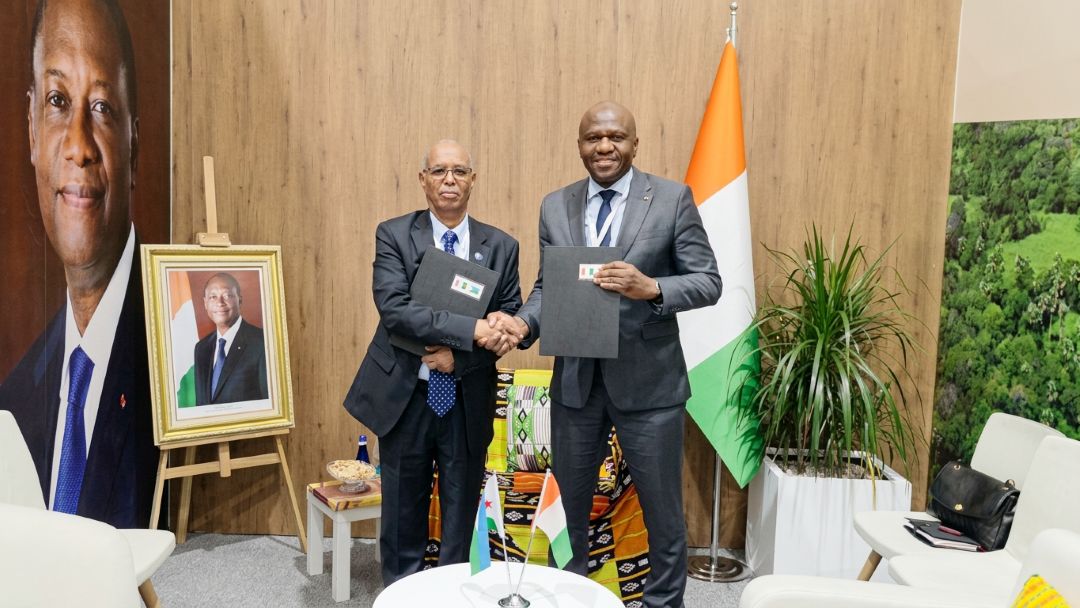
Djibouti is the outlier. Its economy runs on ports, logistics and foreign military bases rather than on emigrants, and personal remittances were worth only about 1.3% of GDP in 2024, according to the World Bank.
Why it matters
For three of the four countries, diaspora money is a pillar of household income and of foreign-exchange supply, which makes it a policy question as much as a family one. Three things are worth watching in 2027. The first is whether the US tax pushes senders away from cash and towards bank-funded digital transfers, or back towards informal networks that never show up in official data. The second is cost: every percentage point saved on fees leaves more money with families. The third is data. Ethiopia’s and Somalia’s figures improved partly because more money now moves through channels that regulators can see, and that trend is worth protecting.