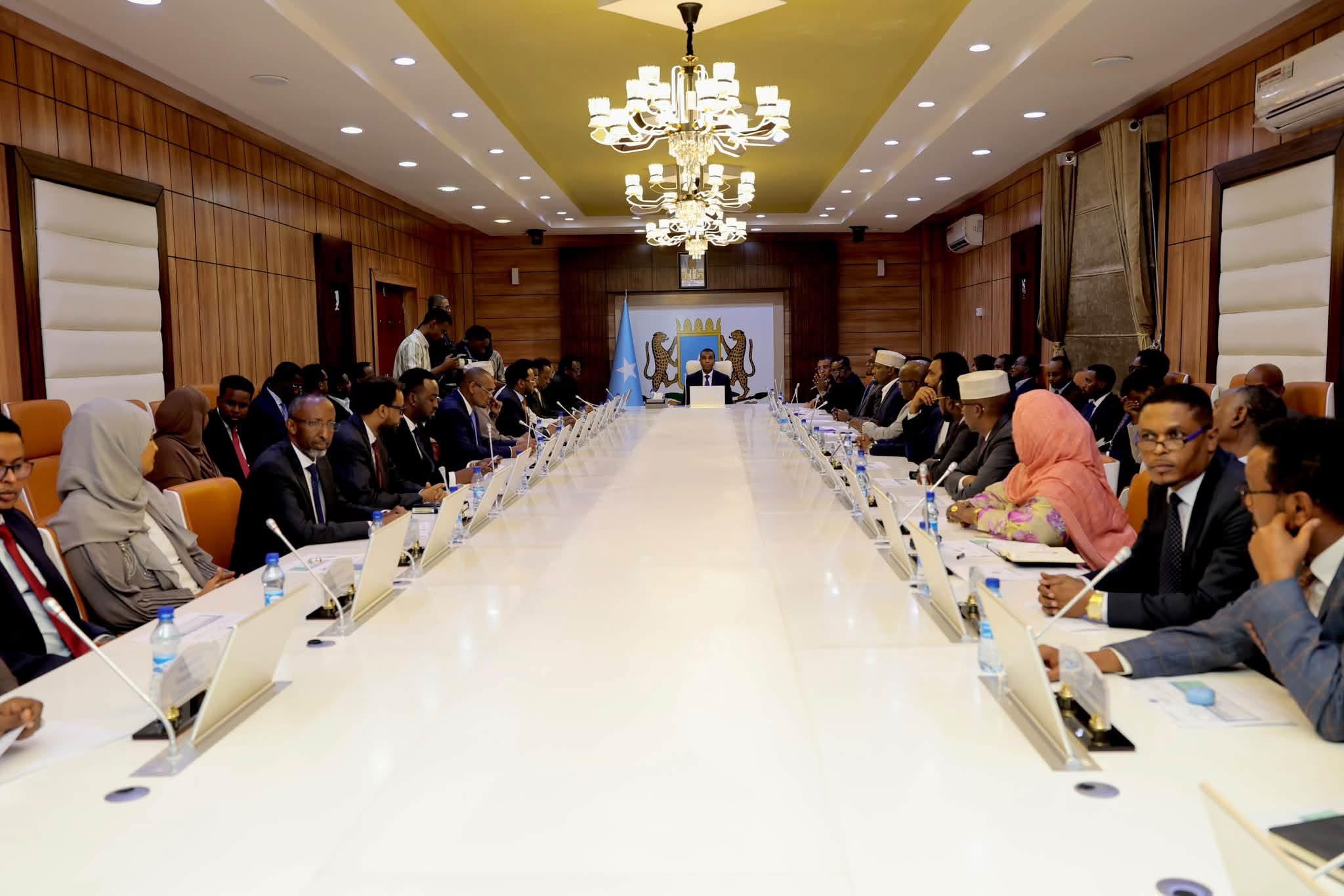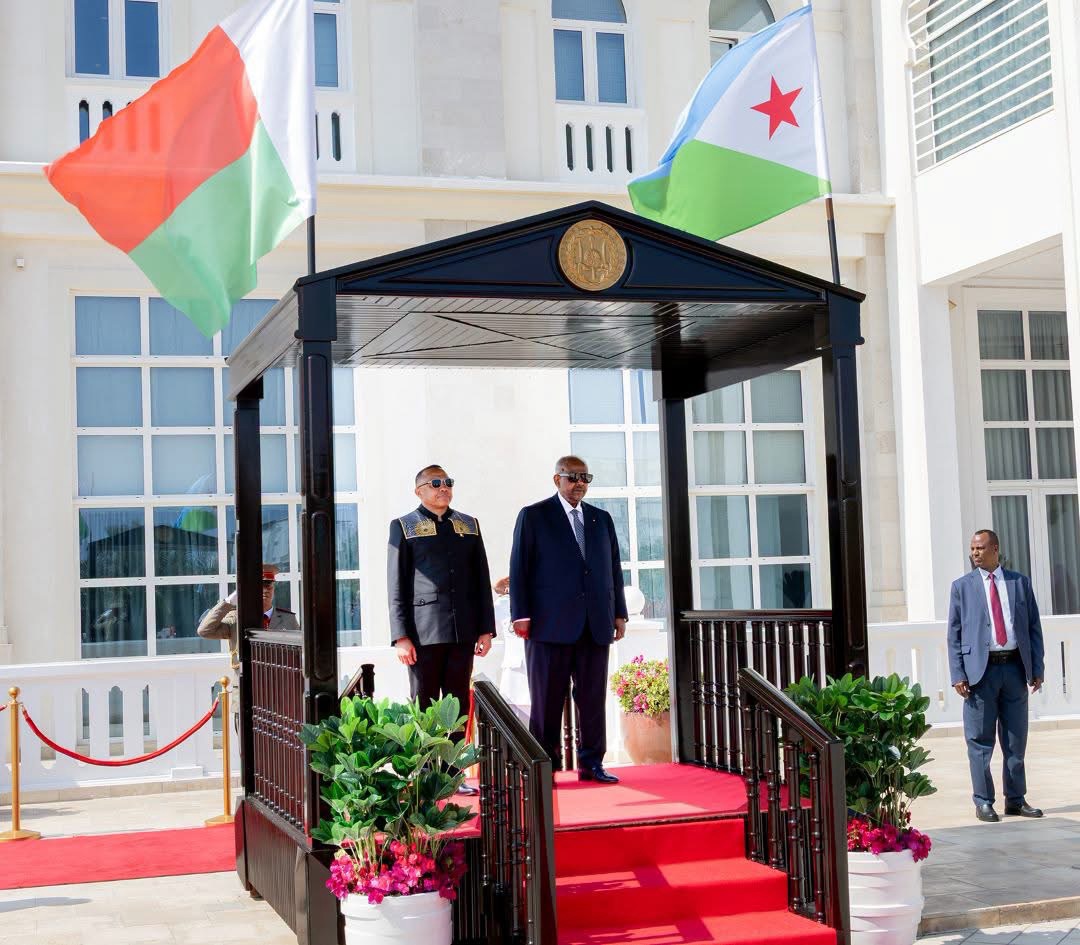
A new treaty establishing the Intergovernmental Authority on Development (IGAD) entered into force on 17 November, creating an updated framework for cooperation among the bloc’s eight member states as the organisation marks its 40th anniversary.
The treaty, signed during an IGAD summit in Djibouti in June 2023, replaces the framework that has guided the organisation since 1996 and aims to deepen cooperation in areas including peace and security, trade, food security, climate resilience and regional integration.
According to the IGAD Secretariat, the treaty entered into force after Djibouti, Ethiopia, Kenya, Somalia and South Sudan deposited instruments of ratification, meeting the required threshold. Workneh Gebeyehu, IGAD’s Executive Secretary, called on Eritrea, Sudan and Uganda to complete their domestic ratification processes.
Djibouti, the current chair of IGAD, welcomed the development as an important milestone for regional cooperation. Ethiopia’s foreign ministry also described the treaty’s entry into force as a reflection of a shared commitment to regional unity and prosperity.
Established in 1986 as the Intergovernmental Authority on Drought and Development (IGADD), the organisation initially focused on drought, desertification and food security. In 1996, its mandate was expanded to include regional integration, economic cooperation, conflict prevention and security affairs.
The new treaty updates IGAD’s institutional framework and broadens cooperation across several regional priorities, including trade, mobility, peacebuilding and development.
Context
IGAD’s member states — Djibouti, Eritrea, Ethiopia, Kenya, Somalia, South Sudan, Sudan and Uganda — face a range of shared challenges, including conflict, displacement, climate shocks, food insecurity and barriers to regional trade. The bloc has also played a prominent role in mediation efforts involving Somalia, Sudan and South Sudan.
Analysis
The treaty provides IGAD with an updated framework for regional cooperation. Its significance will depend on implementation by member states and participation by countries that have yet to complete ratification.
Source Limitation
IGAD, member-state governments and state-affiliated media reports confirmed the treaty’s entry into force. Horn Globe has not independently reviewed the ratification instruments or the full treaty text beyond information released by official sources.